
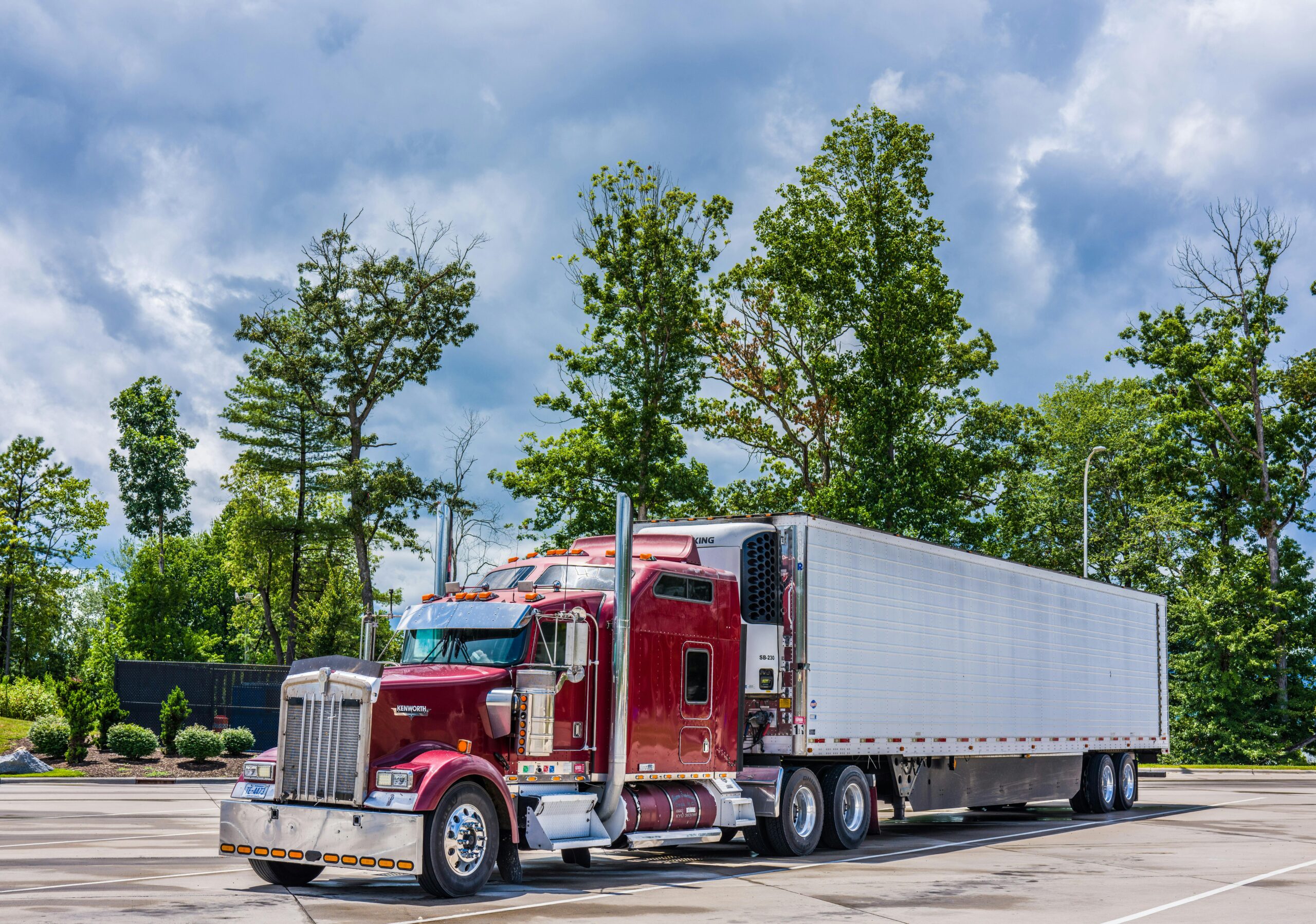
Autumn brings golden fields and long days of harvesting — and a marked increase in large vehicles on rural roads. Farmers move combines and tractors between fields, trucks haul grain to elevators, and semis travel narrow two-lane highways. That seasonal surge raises the risk of serious collisions. In Virginia and surrounding states, these accidents often involve complex causes — and devastating consequences for drivers, passengers, and farm families.
Why crashes spike in harvest season
Several predictable factors push crash risk higher during the fall:
- More large equipment on small roads. Farm machinery and heavy trucks share rural roads built for lighter traffic, creating greater speed and size differentials. The Virginia Farm Bureau routinely reminds drivers that spring planting and fall harvest periods increase farm vehicle movements on public roads.
- Narrow, winding roads and limited sight lines. Many rural routes in Virginia were never designed for high-volume commercial traffic. Limited shoulders, blind curves, and sharp grades make it harder for passenger vehicles and trucks to pass safely. State crash-data systems such as Virginia’s TREDS help map where these collisions cluster.
- Driver fatigue and hours-of-service pressures. Harvest schedules and tight delivery windows can push commercial drivers to the edge of allowable hours. Federal Hours-of-Service (HOS) rules aim to limit fatigue-related risk, but violations or pressure to meet deadlines remain contributing factors.
- Overweight or improperly loaded trucks. Grain and timber hauls may exceed normal loads. Virginia allows limited overload permits, but improperly secured or overweight loads increase braking distance and rollover risk. Virginia’s DMV provides guidance on overload permits and weight limits.
Recent Virginia incidents — from I-81 bridge strikes involving oversized loads to tractor-trailer crashes that closed major routes — underscore how quickly a harvest-haul can turn dangerous.
What to do if you’re hurt in a rural truck crash
If you or a loved one are injured in a harvest-season crash, these steps matter:
- Seek medical attention immediately — some injuries aren’t obvious right away.
- Call police so there’s an official crash report (Virginia’s crash-reporting system feeds into state records).
- Preserve evidence: photos of the scene, vehicle damage, and contact info for witnesses.
- Report the incident to your insurer, but be cautious about signing statements or accepting quick settlements before talking to an attorney.
How Hilton and Somer can help
At Hilton and Somer, we represent victims of large-truck and farm-equipment collisions across Virginia. We investigate causes (HOS violations, improper loading, vehicle maintenance, driver training, or roadway defects), work with accident reconstruction experts, gather electronic logs and permit records, and negotiate with insurers — or take a case to trial when necessary. Our goal is to secure compensation for medical bills, lost income, pain and suffering, and long-term care needs.
Hilton & Somer, LLC: Virginia, Maryland and Washington, DC Personal Injury Attorneys
If you have suffered an injury, don’t go through it alone. Help is available today. Get in touch with the Personal Injury Attorneys at Hilton & Somer, LLC today to discuss your case with one of our Virginia, Maryland, or Washington, D.C. Attorneys. You can contact us toll-free at (703) 560-0700.
References:
https://articles.vafb.com/tag/Auto-Safety/page/4/?
https://www.dmv.virginia.gov/safety/crash-data?utm_source=chatgpt.com
https://www.dmv.virginia.gov/businesses/motor-carriers/overload?utm_source=chatgpt.com
