
Rideshare Accident in Fairfax VA: What Uber and Lyft Passengers Need to Know
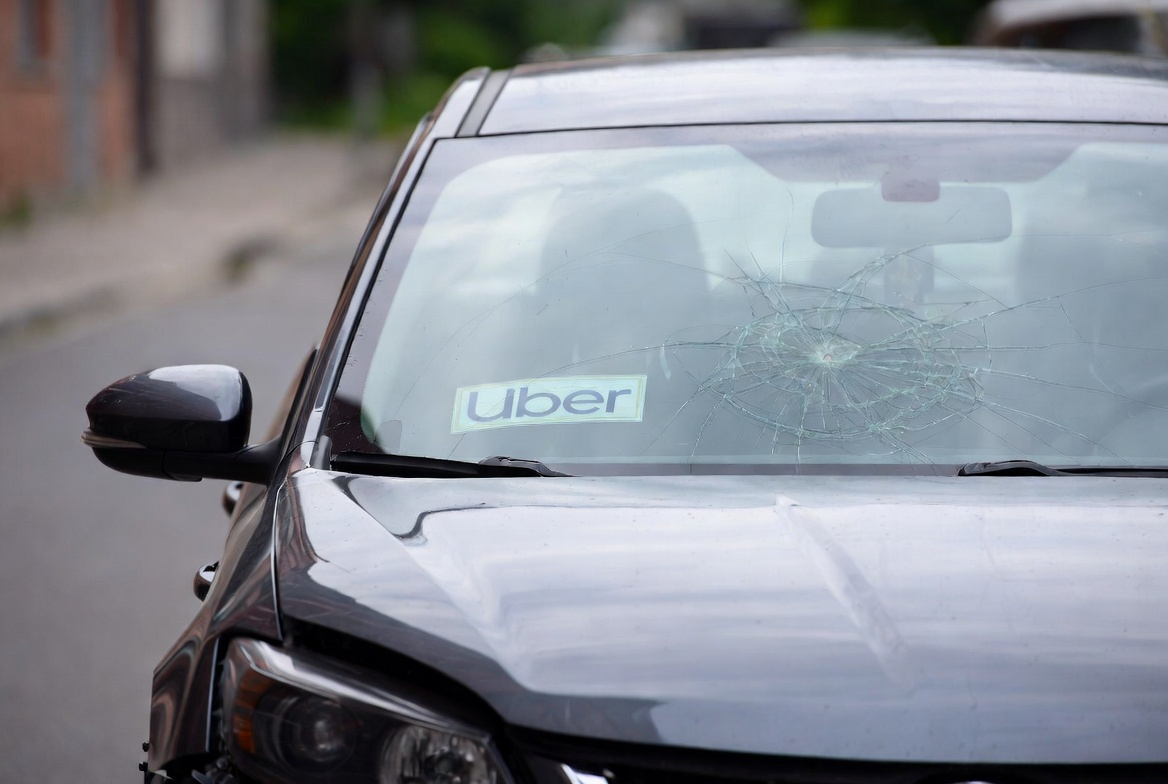 Uber and Lyft have become essential transportation options throughout Fairfax, Northern Virginia, Washington D.C., and Maryland. Whether you are commuting to Tysons Corner, heading to Reagan National Airport, or getting home safely after a night out in Arlington, rideshare services offer convenience that millions of DMV residents rely on daily. But what happens when a rideshare accident in Fairfax VA leaves you injured?
Rideshare accident claims are far more complex than typical car accident cases. Virginia law creates a unique insurance framework that determines who pays for your injuries based on what the driver was doing at the exact moment of the crash. Understanding these rules is critical to protecting your right to compensation.
Virginia’s Three-Period Rideshare Insurance System
Virginia regulates rideshare companies like Uber and Lyft under the Transportation Network Company (TNC) Act. This law establishes three distinct insurance periods, each with different coverage levels.
Period 1: App On, No Ride Accepted When a driver has the app turned on but has not yet accepted a ride request, Virginia law requires minimum coverage of $50,000 per person for injury, $100,000 per incident, and $25,000 for property damage. This coverage may be provided by the rideshare company or the driver’s personal policy, often leading to disputes between insurers.
Period 2: Ride Accepted, En Route to Passenger Once a driver accepts your ride request through the app and is traveling to pick you up, Uber and Lyft must provide primary liability coverage of at least $1 million.
Period 3: Passenger in Vehicle From the moment you enter the rideshare vehicle until you exit, Virginia Code § 46.2-2099.52 requires the rideshare company to maintain primary liability coverage of at least $1 million, plus $1 million in uninsured and underinsured motorist coverage. This is the strongest protection available under Virginia law.
Why Rideshare Accident Claims in Fairfax VA Are Complicated
Insurance companies for Uber and Lyft will aggressively investigate your claim to minimize their payout. They will scrutinize the precise moment of the crash to determine which insurance period applies and which policy is responsible for your damages.
Virginia’s contributory negligence rule makes these cases even more challenging. If the insurance company can argue that you were even 1% at fault for the accident, you could be completely barred from recovering any compensation. This strict rule means preserving evidence immediately after a rideshare accident is essential.
What to Do After a Rideshare Accident in Fairfax VA
If you are injured as a passenger in an Uber or Lyft accident, or if a rideshare vehicle hits you while you are driving or walking, take these steps to protect your claim:
Screenshot your trip details immediately. Open the rideshare app and capture the driver’s name, photo, vehicle information, route, and pickup time. This data can disappear if you request a second ride or if the company processes a refund.
Call the police and get a report. A police report creates an official record of the accident, which strengthens your claim and establishes that a rideshare vehicle was involved.
Seek medical attention right away. Some injuries, including traumatic brain injuries and soft tissue damage, may not be immediately apparent but can worsen over time.
Do not give a recorded statement to any insurance company without first speaking to an attorney. Uber and Lyft insurers are trained to ask questions designed to shift fault onto you.
Contact a Fairfax Rideshare Accident Attorney
Rideshare accident claims require an attorney who understands Virginia’s TNC insurance framework and knows how to fight back against insurance company tactics. At Hilton & Somer, LLC, our Fairfax car accident lawyers have been protecting injury victims throughout Northern Virginia, Washington D.C., and Maryland since 1965. We handle the insurance disputes so you can focus on your recovery.
Injured in an Uber or Lyft accident? Contact Hilton & Somer today at (703) 560-0700 for a free consultation. You pay nothing unless we win your case.
References
- Virginia Department of Motor Vehicles. TNC Insurance Requirements. Retrieved from https://www.dmv.virginia.gov/businesses/tnc/insurance
- Virginia General Assembly. Virginia Code § 46.2-2099.52: TNC Insurance. Retrieved from https://law.lis.virginia.gov/vacode/46.2-2099.52/
