
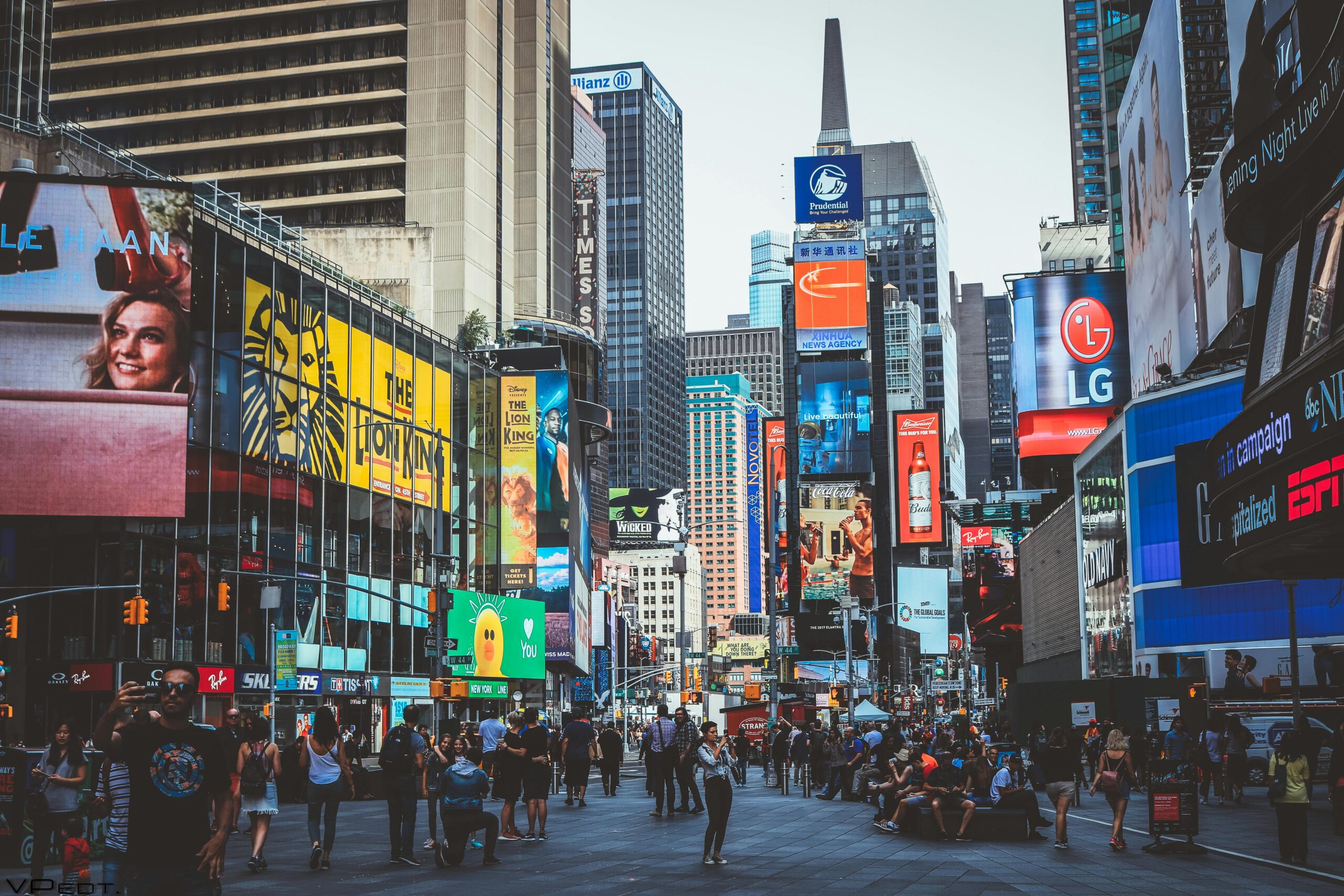
Black Friday — bright deals, long lines, and, sometimes, real danger. When stampedes, overcrowding, slippery floors, falling merchandise, or inadequate security cause injuries, injured shoppers may have legal options. Retailers and property owners owe customers who are invitees (people on the property for the business’s purposes) a duty to keep the premises reasonably safe and to warn of hidden dangers. Virginia courts have repeatedly held that owners must use ordinary care to render premises reasonably safe — they are not insurers, but they must take reasonable precautions.
When that duty is breached during a large sale event, different legal theories can apply:
- Crowd/control failures & stampedes. If a store fails to plan for large crowds (no barricades, no staffing or security, blocked exits), the resulting crush or stampede can cause catastrophic injuries. Federal safety agencies have urged retailers to adopt crowd-management plans for major sales events.
- Slippery floors and trip hazards. Spills, recently-mopped floors, cluttered aisles, or poor lighting that are not remedied or warned about can give rise to classic premises-liability claims.
- Falling merchandise / improperly stacked displays. Heavy items stacked unsafely can fall and injure customers; a store that fails to secure displays or ignores known hazards can be liable.
- Negligent security. In Virginia, owners can be responsible for criminal or violent acts on their property only in limited circumstances — typically where the owner knew (or should have known) of a specific likelihood of harm and failed to act. That standard is higher than simple negligence, but it can apply if there were prior incidents or obvious risk that went unaddressed.
A stark reminder of the stakes: the 2008 Black Friday crush at a Walmart that killed an employee led to national outrage and lawsuits against the retailer.
What to do if you’re injured while shopping
- Get medical care immediately. Your health is first — also, medical records are critical evidence.
- Preserve evidence. Take photos of the scene, your injuries, the shelf/display, the floor, receipts, and any visible store signage or lack thereof. If there are surveillance cameras, make a note and ask the store who to contact about footage.
- Report the incident. Notify store management and ask for an incident report or a copy of the report number. If police respond to the scene, get the officer’s name and report number.
- Collect witness info. Ask for names and contact info from anyone who saw what happened. Witness statements can make or break crowd/overcrowding claims.
- Document time-sensitive details. Record the date/time, advertised promotions, whether staff warned of hazards, and any announcements or crowd-control measures (or lack of them).
- Act before evidence disappears. In Virginia, the statute of limitations for most personal-injury claims is two years from the date of injury. That makes early preservation and legal consultation important.
Final note
Large sales events require careful planning. Federal guidance (OSHA, CDC) describes specific crowd-management and safety measures retailers should employ — and these guidelines are often what courts and regulators look to when evaluating whether a store acted reasonably. If you or a loved one were hurt while shopping, document everything and get legal advice quickly so you don’t lose important rights.
Hilton & Somer, LLC: Virginia, Maryland and Washington, DC Personal Injury Attorneys
If you have suffered an injury, don’t go through it alone. Help is available today. Get in touch with the Personal Injury Attorneys at Hilton & Somer, LLC today to discuss your case with one of our Virginia, Maryland, or Washington, D.C. Attorneys. You can contact us toll-free at (703) 560-0700.
References:
https://www.casemine.com/judgement/us/5914bd2aadd7b049347a0de6?
https://rvs.umn.edu/Uploads/EducationalMaterials/37a95c18-2877-4fd6-83de-8c3e096d8301.pdf?
https://law.lis.virginia.gov/vacode/title8.01/chapter4/section8.01-243/?
