
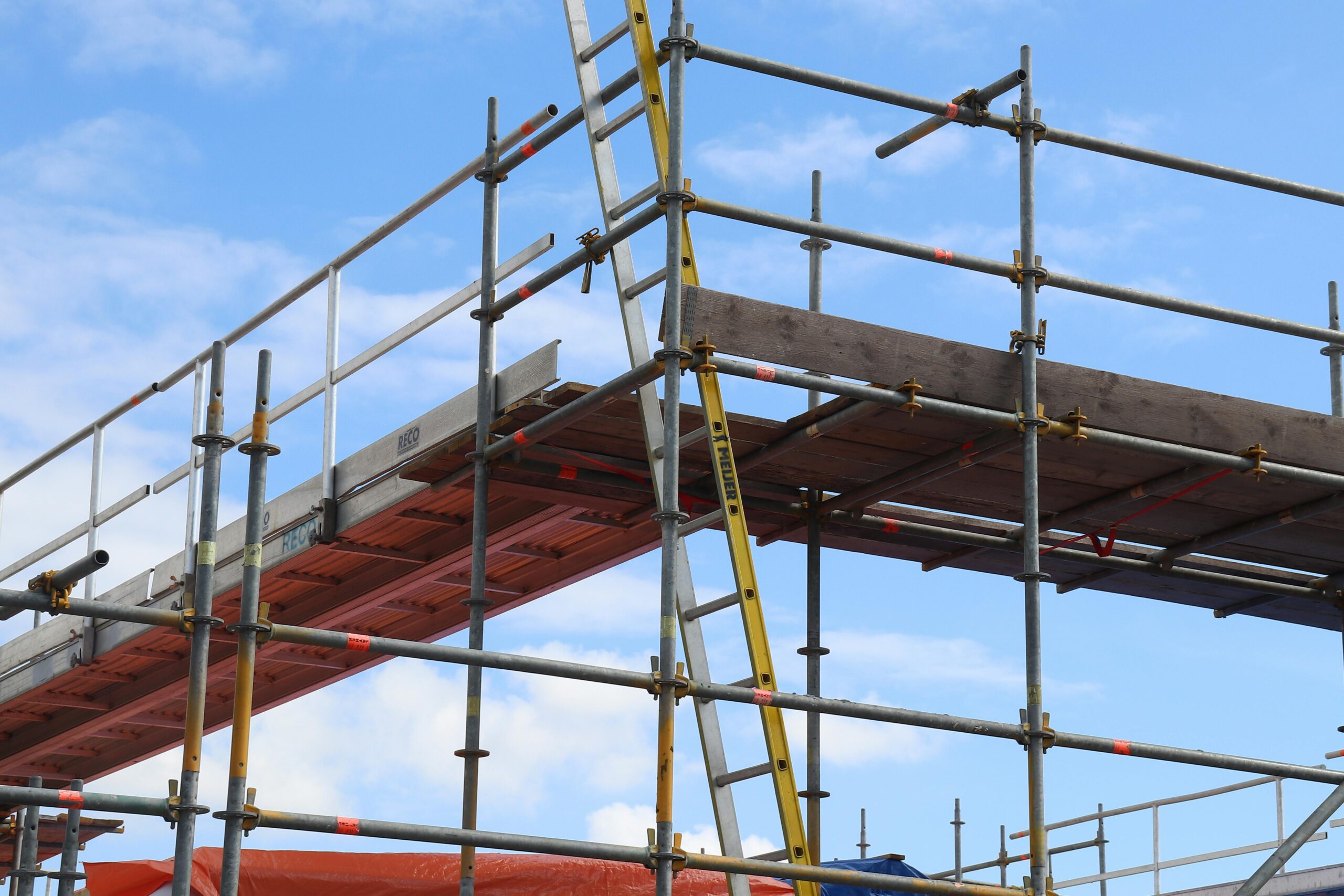
Construction sites are evolving fast. AI-powered monitoring systems, autonomous machinery, drones, and advanced safety tech promise safer job sites and more efficient builds. Yet when that technology fails and workers or bystanders are seriously injured, it raises complex legal questions: who is responsible—the contractor, the equipment maker, the software developer, or someone else entirely?
The Rise of Smart Tech in Construction
Across the United States and in Virginia, contractors are increasingly relying on technology to improve safety and reduce risk. Tools like AI-driven risk detection systems—such as DroneDeploy’s Safety AI, which analyzes site imagery to identify OSHA-level hazards—are being used to flag dangerous conditions before they lead to injuries. These systems aim to support compliance with longstanding safety standards, such as those enforced by the Occupational Safety and Health Administration (OSHA).
But technology is not infallible. AI systems can misclassify hazards, sensors can fail in dusty or adverse weather conditions, and autonomous machinery can act unpredictably without sufficient oversight. When that happens, innocent people can pay the price.
Multiple Potentially Liable Parties
In traditional construction accidents, liability often falls on general contractors, subcontractors, property owners, and equipment manufacturers, depending on who had control over the hazard. Virginia law allows injured persons to seek compensation from responsible parties, and the state’s personal injury statute outlines timelines and claims procedures for defective conditions causing injury.
Here’s how liability can play out when technology fails:
1. Contractors and Construction Managers
Even with advanced safety tech, a contractor still has the ultimate duty to maintain a safe job site and enforce recognized safety practices. If an AI system flags a hazard and the contractor fails to act—or ignores warnings—the contractor could be liable for negligent supervision or failure to address the danger.
2. Equipment and Software Manufacturers
When an autonomous tool, smart sensor, or AI algorithm malfunctions due to a design or manufacturing defect, the manufacturer or software provider can bear responsibility under product liability law. Courts have long held equipment makers liable when their products fail to perform safely. In construction, such defects could include flawed object-detection software or faulty autonomous navigation systems that cause collisions or other injuries.
3. Third-Party Vendors and Subcontractors
Projects often involve multiple parties. A subcontractor may supply or operate specialized tech; if they fail to maintain it properly or train users on its limits, they may share liability. Likewise, third-party vendors that install AI systems may be responsible if their work contributes to a malfunction.
Still Covered by Workers’ Compensation—But More
For workers injured on the job in Virginia, workers’ compensation benefits generally cover medical care and lost wages. However, if a third party’s negligence—like a tech provider’s failure—contributed to the injury, the injured person may be able to pursue a third-party personal injury claim for additional compensation above and beyond workers’ comp.
Why Legal Guidance Matters
As advanced technologies continue to redefine construction safety, the legal landscape struggles to keep pace. Determining fault after a tech failure requires careful investigation of contracts, inspection records, maintenance logs, and expert analysis of how the system was deployed and supervised. Clear contractual language assigning risk and responsibility can help, but accidents still happen.
At Hilton and Somer, we understand how to navigate these high-tech construction injury cases and identify all potentially liable parties—whether it’s the contractor who failed to act on a warning, the manufacturer who sold a defective system, or another party whose negligence contributed to serious harm.
Hilton & Somer, LLC: Virginia, Maryland and Washington, DC Personal Injury Attorneys
If you have suffered an injury, don’t go through it alone. Help is available today. Get in touch with the Personal Injury Attorneys at Hilton & Somer, LLC today to discuss your case with one of our Virginia, Maryland, or Washington, D.C. Attorneys. You can contact us toll-free at (703) 560-0700.
References:
https://law.lis.virginia.gov/vacodefull/title8.01/chapter4/article3/
